Tomorrow's worlds,built withtoday's tools.
IDX builds the software layer between traditional game tools and modern AI models, so solo creators and small teams can start building next-generation playable experiences now, not after the next engine.
Where this is going
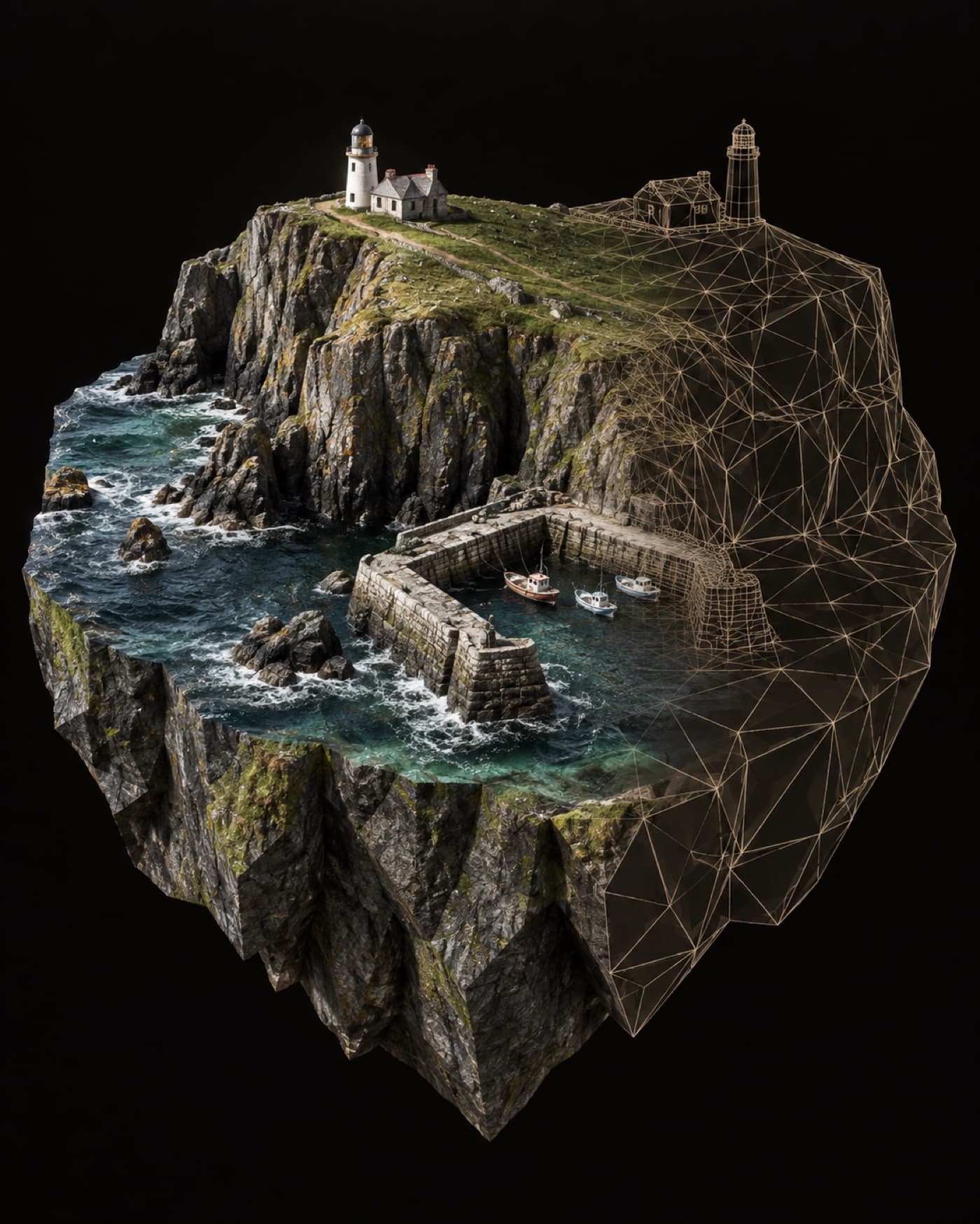
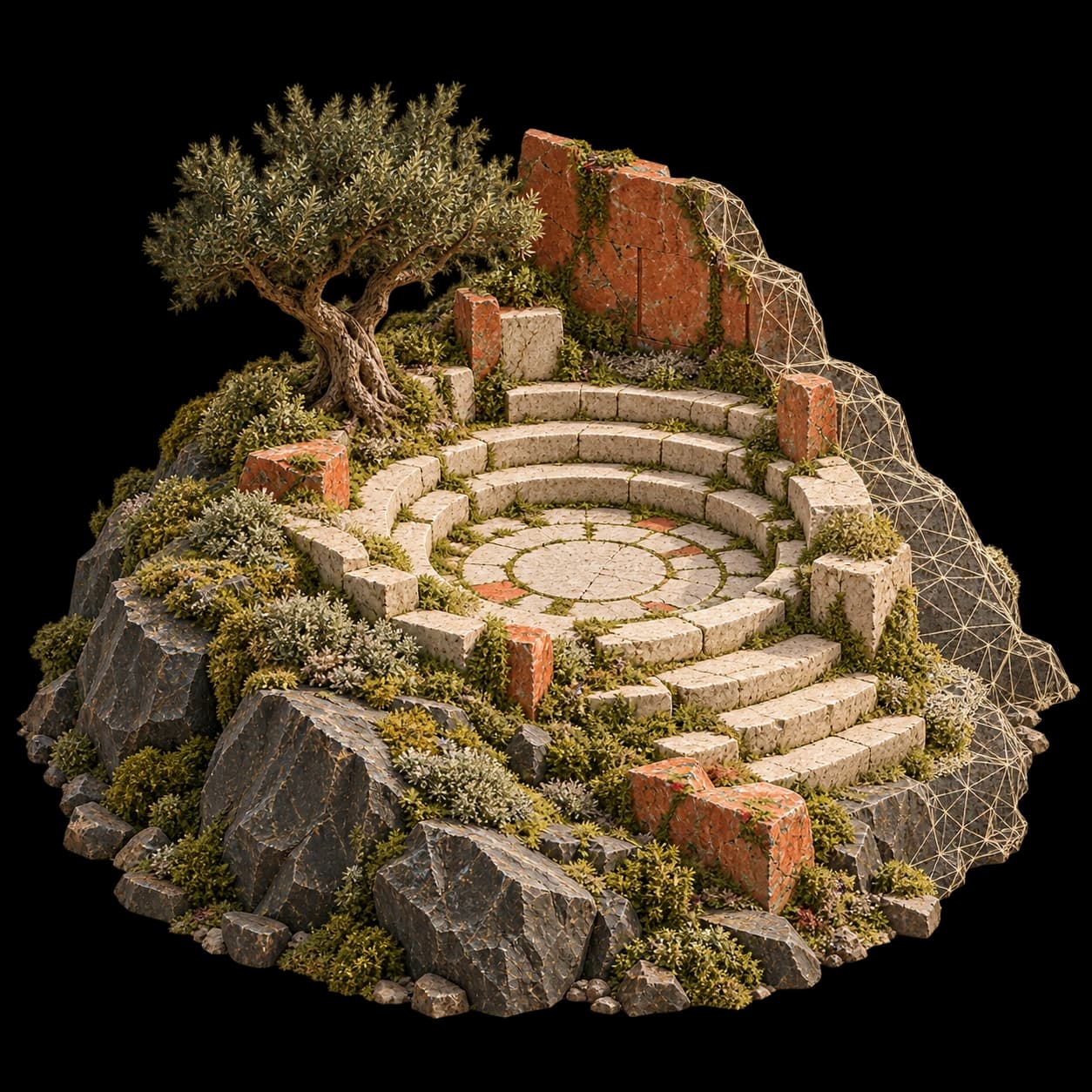
Worlds anyone can build, steer in natural language and play on every screen.
That future is coming. Models already generate meshes, voices, music and code. Engines are growing agent interfaces. Within a few years, a person with a world in their head will be able to direct it into existence and keep it alive across platforms. We intend to build the tools that make that real.
What we're building now
The layer that closes the gap.
The models and the engines exist. What's missing is the software between them: a layer that takes direction in plain language, holds the state of the world, and executes through the tools creators already use. That is what IDX is building, for solo developers and small teams, starting with today's pipelines.
Direction
World layer
Your tools
- Blenderwaiting
- Tripowaiting
- ElevenLabswaiting
- Unitywaiting
Concept interface · in development · tool names are illustrative
The gap
The models arrived. The pipeline didn't change.
Every week brings a better generator and a new agent hook inside an engine. For a small team, that means more tools to stitch together by hand, not less work.
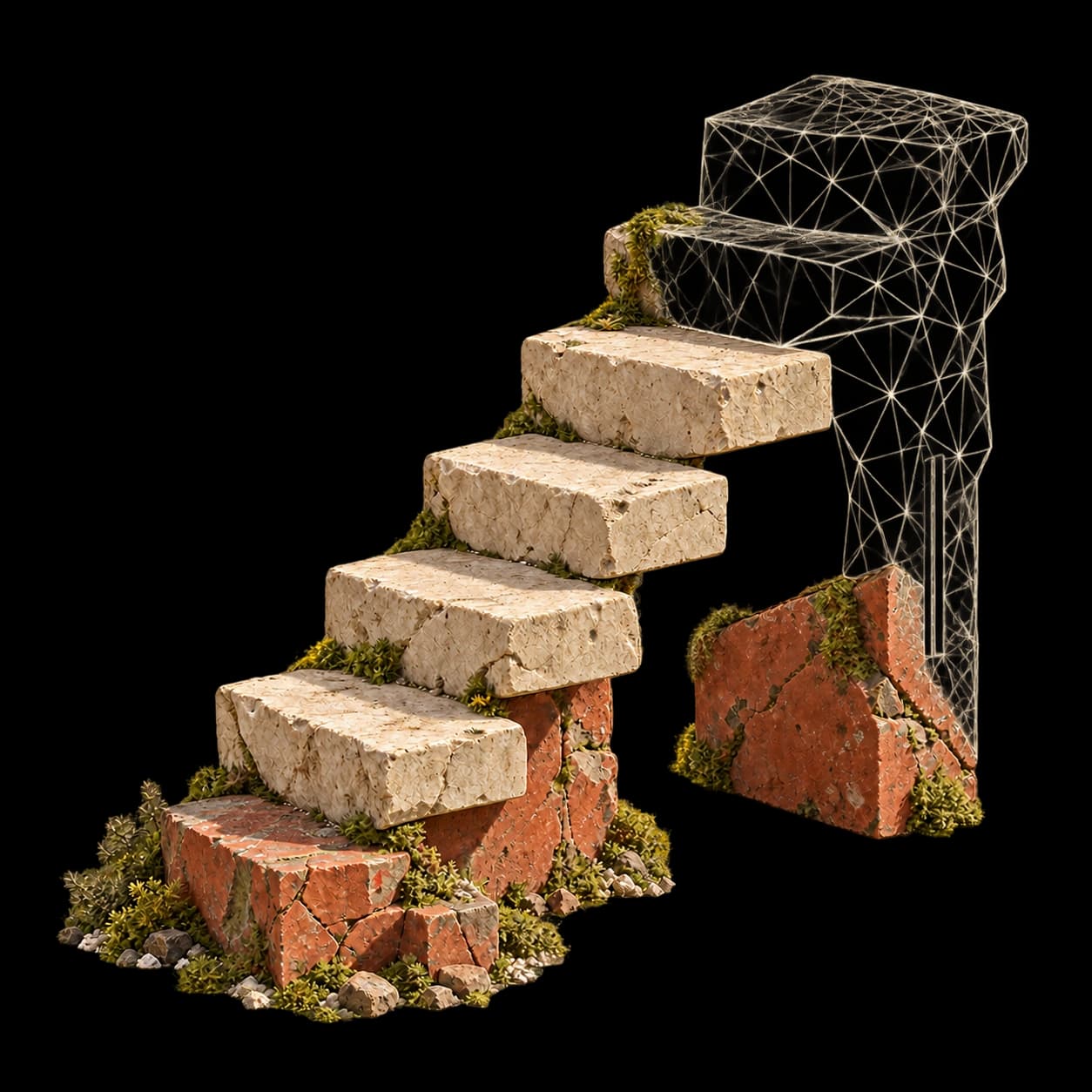
The models don't know your engine.
A generator hands you a mesh. It has no idea what scene it belongs in, what scale your world uses, or what the last fifty assets look like.
Your engine doesn't know what the models made.
Unity, Unreal, Godot and Blender treat generated work as loose files. Nothing carries the intent, the lore or the rules that produced it.
The creator is the glue.
Solo devs and small teams spend their time exporting, importing, renaming and re-explaining. The leverage AI promised gets lost in the handoffs.
- Unity ships official plugins for Codex and Claude Code
- Fortnite creators can now point Claude Code or Cursor at UEFN
- Convai's Unity MCP lets Claude Code or Cursor build a talking NPC
- Summer Engine can now build and edit whole scenes from chat
- Cascadeur 2026.2 lets AI agents drive the app
The tools are converging on agent interfaces. Nobody is making them one workflow for a small team.
The layer
Between your tools and the models.
Four parts, built in this order. Each one is useful on its own inside an existing pipeline.
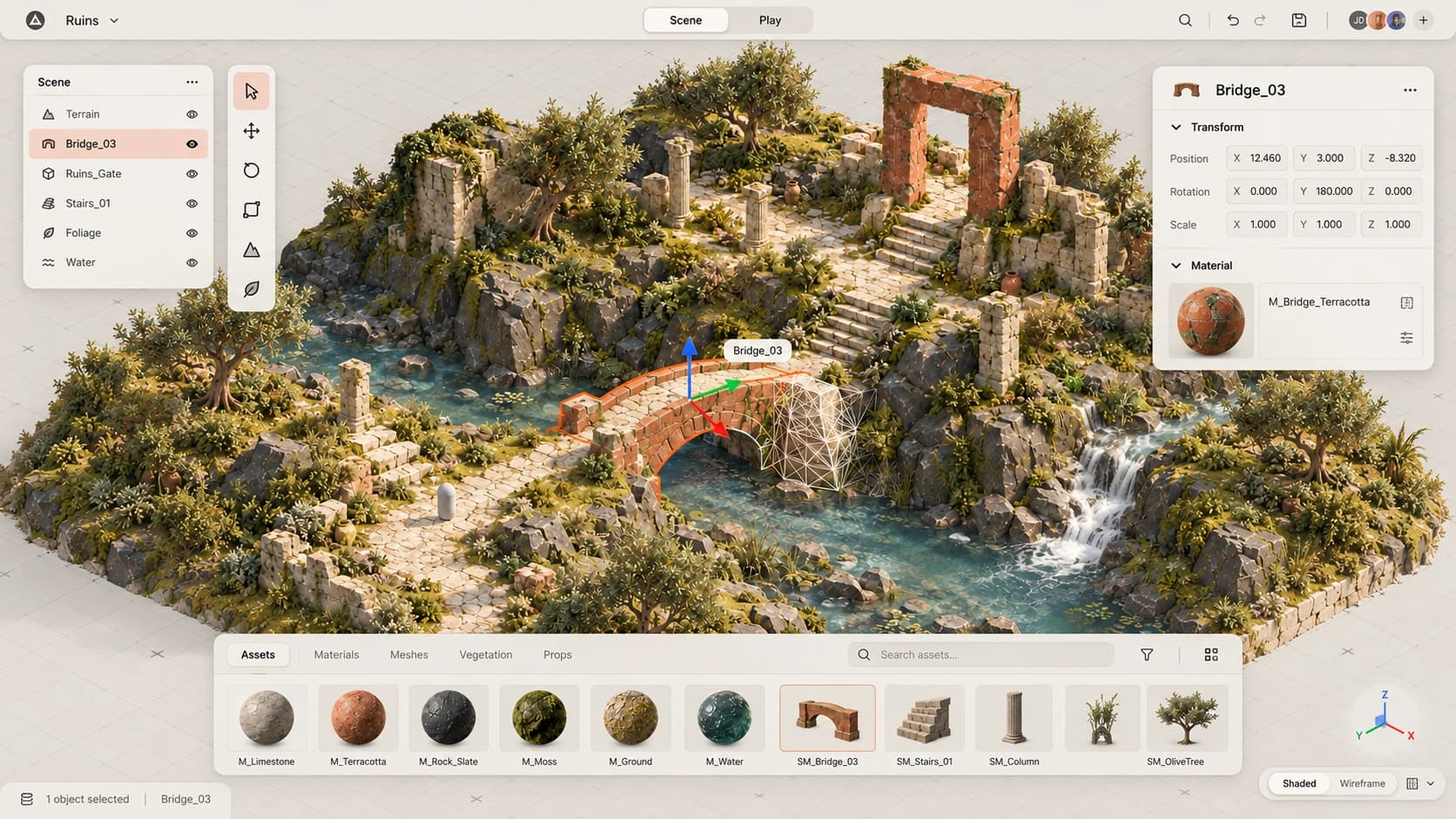
Direct in plain language. Execute in your tools.
Describe what the world needs and the layer turns it into jobs for the engine, the DCC apps and the generative models you already run. We don't replace your pipeline. We connect it.
One source of truth for the world
Geography, history, factions and rules live in a persistent canon that every tool and model reads from and writes to. Generated work arrives knowing where it belongs.
The world is the asset, not the build
Because the world lives in the layer, the same world can target web, desktop and mobile. Publishing to a new platform stops being a rebuild.
Artists keep the final say
Everything generated is routed through review. Approved work teaches the layer the look of your world, so quality compounds instead of drifting.
World state
A scene is a file. A world is a record.
Generated scenes impress for a minute and fall apart the moment you look closer, because nothing remembers what was decided. The layer keeps a persistent canon that every tool and model reads from and writes to, so a world gets deeper with every change instead of noisier.
Loose files, lost intent, every tool starts from zero
One canon, checked on every change, shared by every tool
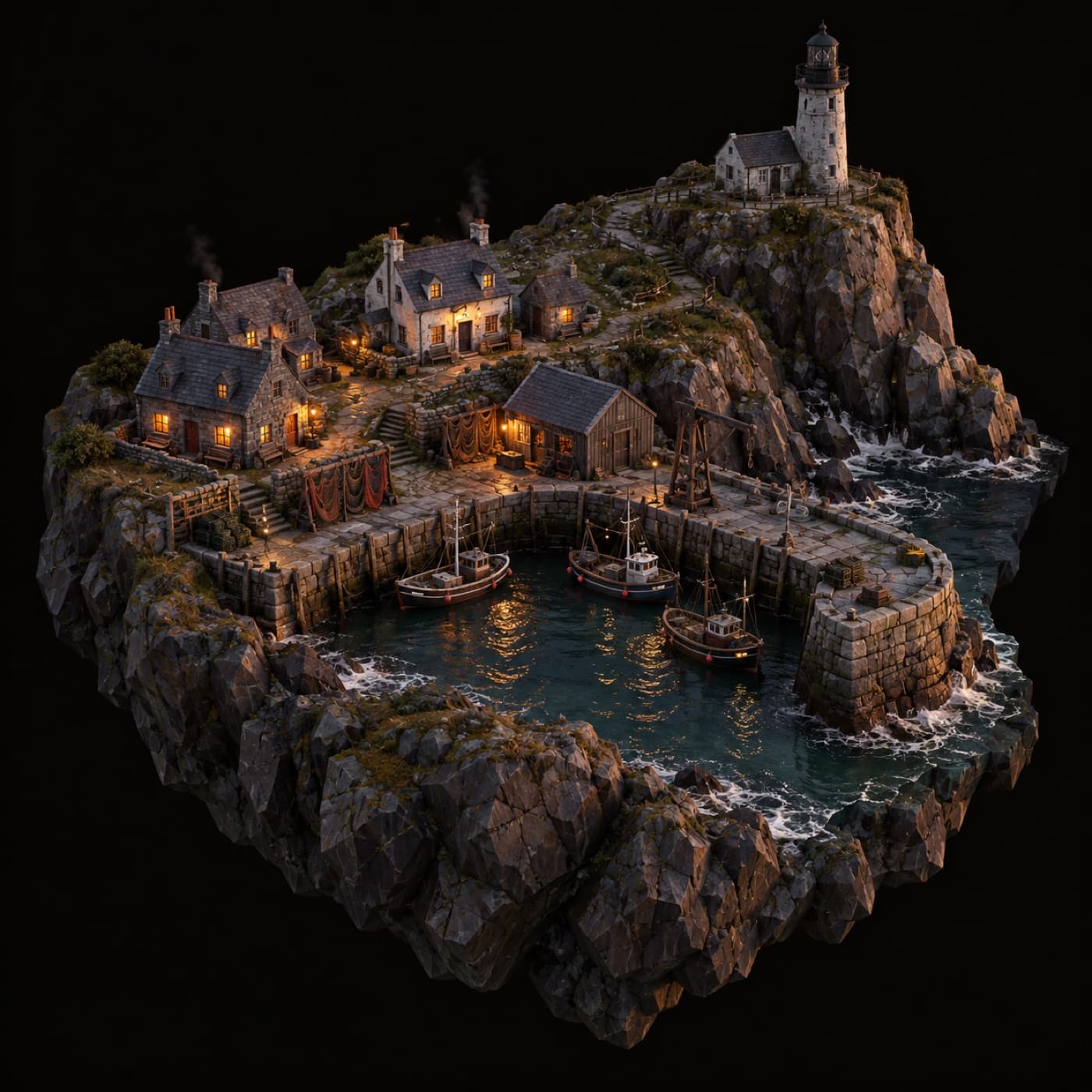
- Region
- The Northern Reach
- Era
- Year 214, after the Drowning
- Factions
- Saltmere Fishers · Lamp Order
- Rule
- No ship sails after the lamp goes dark
- Readers
- Unity · Blender · Tripo · ElevenLabs
“Saltmere fishers sail at night to avoid the lamp.”
Conflicts with rule: no ship sails after the lamp goes dark
Suggested: they fish the shallows at dusk and blame the keeper for every lost boat.
Consistent · deepens existing distrust
Concept interface · in development
Roadmap
Close the gap first. Then widen what's possible.
The interface layer
Plain-language direction executed through the tools solo creators and small teams already use, backed by a persistent world canon.
- Orchestration across engine, DCC and generative models
- Persistent world state with consistency checks
- Review flow that keeps artists in control
One world, every platform
Publish the same world to web, desktop and mobile from the layer, with the canon travelling with it.
- Cross-platform publishing from one world
- Shared worlds for small teams
- Playable experiences, not just scenes
Worlds you steer in natural language
Living worlds that grow in play and respond to direction from creators and players, across every screen.
- Runtime steering, not just authoring
- Worlds that persist and evolve
- Anyone with a world in their head can build it
Infinite Detail
Every week, we talk to the people this is for.
Infinite Detail is our weekly radar of game-making tools, read by solo devs and small teams. It is where we see what one person can build now, and what still gets in the way.
3,200+
gamedevs on the weekly email
34
issues, every Saturday
Weekly
tool radar, catalog and deals
The front page of next-gen game development.
Tool releases, AI workflows, engine updates and deals, curated for solo devs and small teams. New issue every Saturday.
Hands-on with the tools, as they ship.
Breakdowns and tests of new game-making tools, so creators can see what's possible today.
Careers
Small team. Enormous canvas.
We're looking for artists and makers who want to define how worlds get built for the next decade. Remote, async and very hands-on.
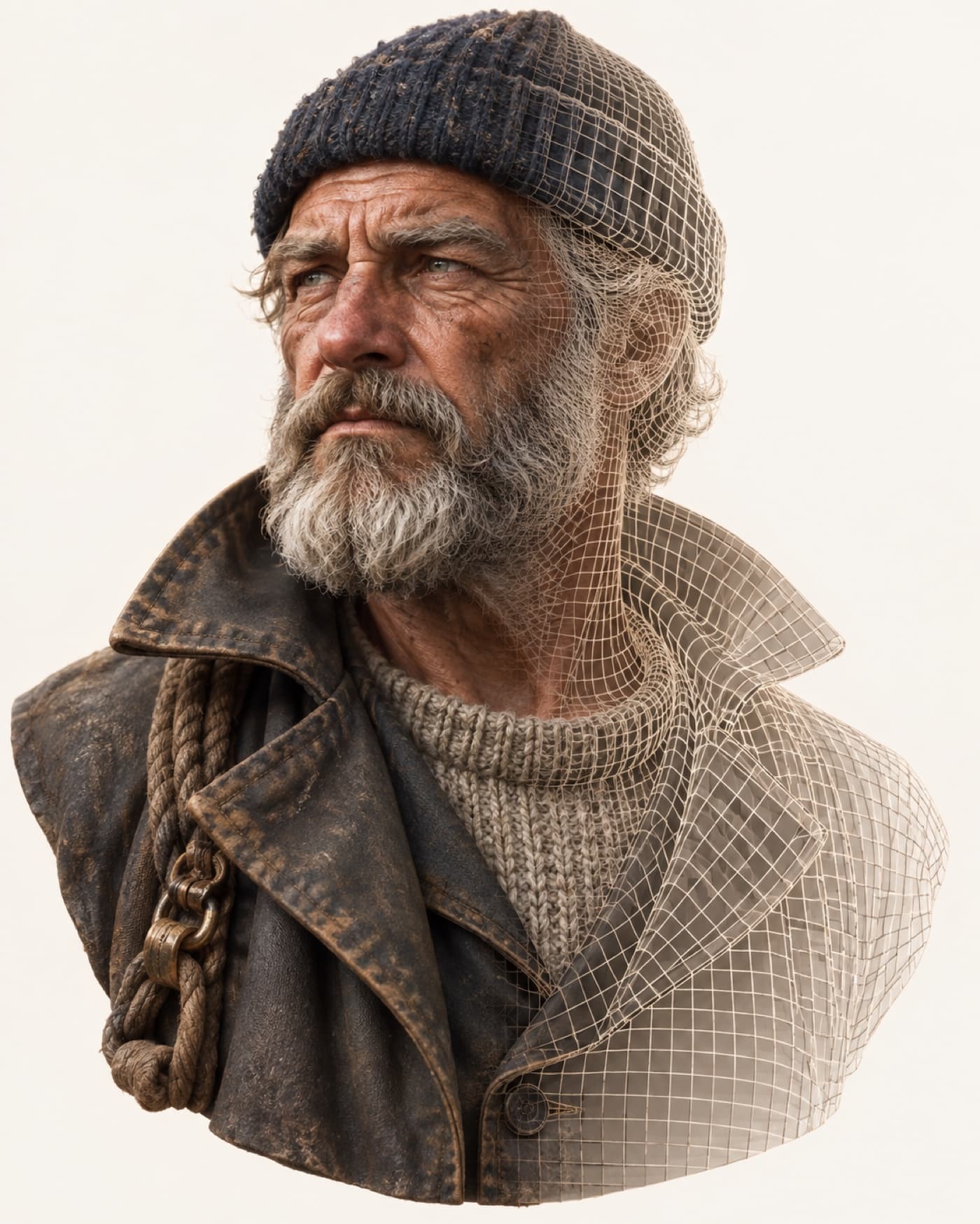
AI Creative Generalist
Product & World · Full-time · Remote
You make things with every new tool the week it ships. Prompting, scripting, kitbashing, editing: you turn rough ideas into playable moments and help define how creators will work with the layer.
Environment Artist
Art · Full-time · Remote
You build places people want to stay in. You'll set the visual bar for generated worlds and teach our systems what good terrain, lighting and composition look like inside a real engine.
Character Artist
Art · Full-time · Remote
You give worlds their people. You'll design characters, define style rules the pipeline can follow, and make sure generated cast members feel authored, not assembled.
Don't see your role? Pitch us anyway. Choose “Careers” in the form below.
Get in touch
Building in this space? Let's talk.
We're speaking with investors, engine and tool makers, model labs and creators who believe the next wave of games will be built by far smaller teams.
Investors
The thesis, the roadmap and where we're headed.
Collaborators
Engines, DCC tools, model labs and platforms.
Creators
Early access and design partnerships.